Seven kinds of Arabic

Arabic is not one language you speak. It is one language you write, and many you speak. Pick the one you need, and every lesson, word and conversation is in it.

Listen

One word, seven ways

Here is the word for bread. Four dialects use one word. Egypt and Sudan use another, which also means "life". These are real clips from the app.

  • Modern Standardخُبْزٌkhubz
  • Egyptianعِيشْ3eesh
  • Levantineخُبْزْkhubz
  • Gulfخُبْزkhubz
  • Sudaneseعِيش'eesh
  • Iraqiخُبُزkhubuz
  • Darijaخُبْزkhubz

Which one should you learn?

Pick where you are going, or where your family is from. You can change dialect at any time, and your progress is kept for each one.

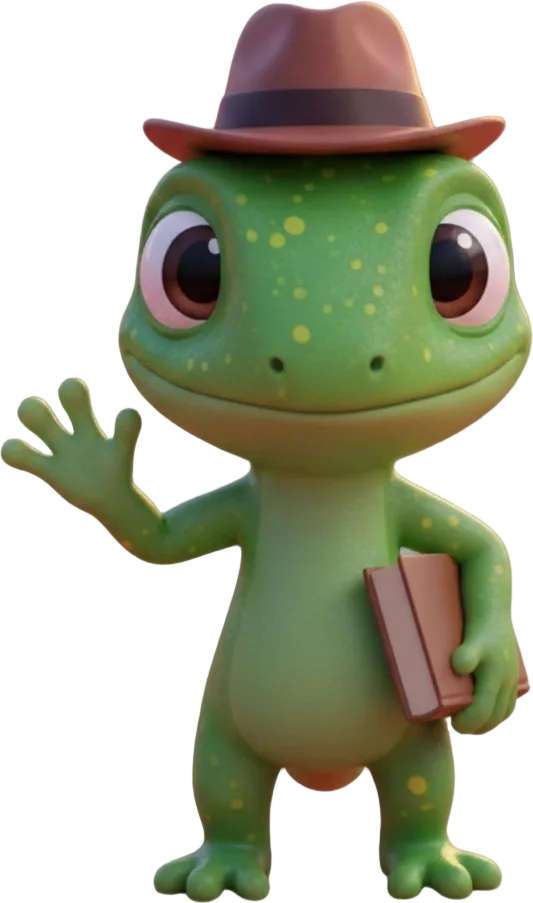
Rawi the lizard holding a book

Modern Standard Arabic

News, books, school and official speech, everywhere in the Arab world.

What we teach: The shared formal language. Nobody grows up speaking it at home.

Start here if you want to read. It is the Arabic of writing, and it is the same in every country.
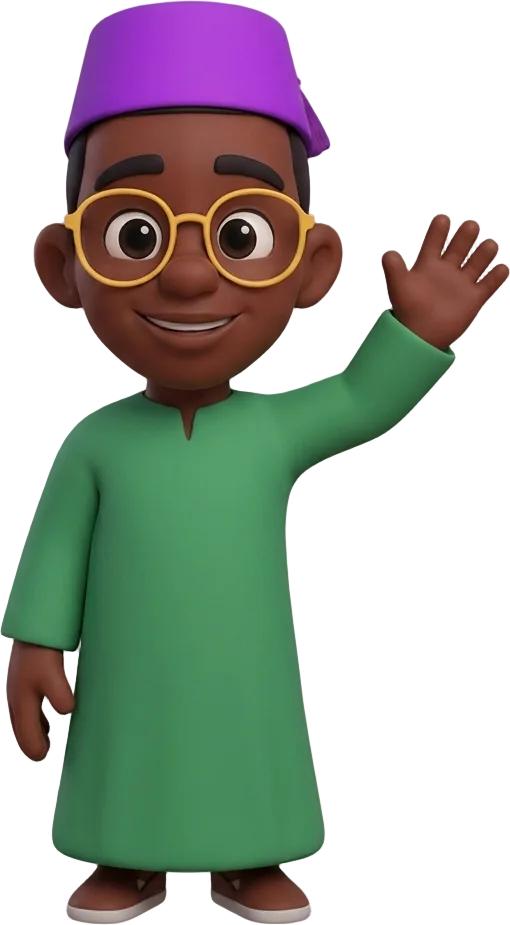
Tariq in a galabeya, waving

Egyptian

Egypt, and understood almost everywhere else.

What we teach: We teach educated everyday Cairo Arabic.

Decades of films, music and TV came out of Cairo. That is why so many people can follow Egyptian without ever studying it.

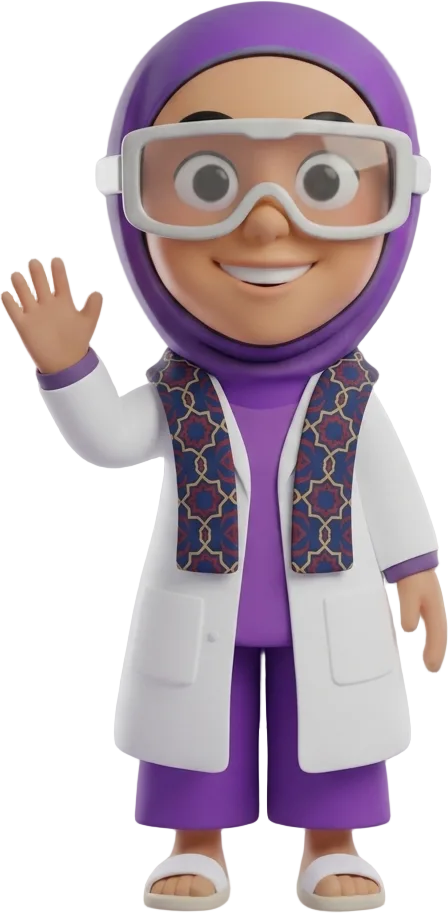
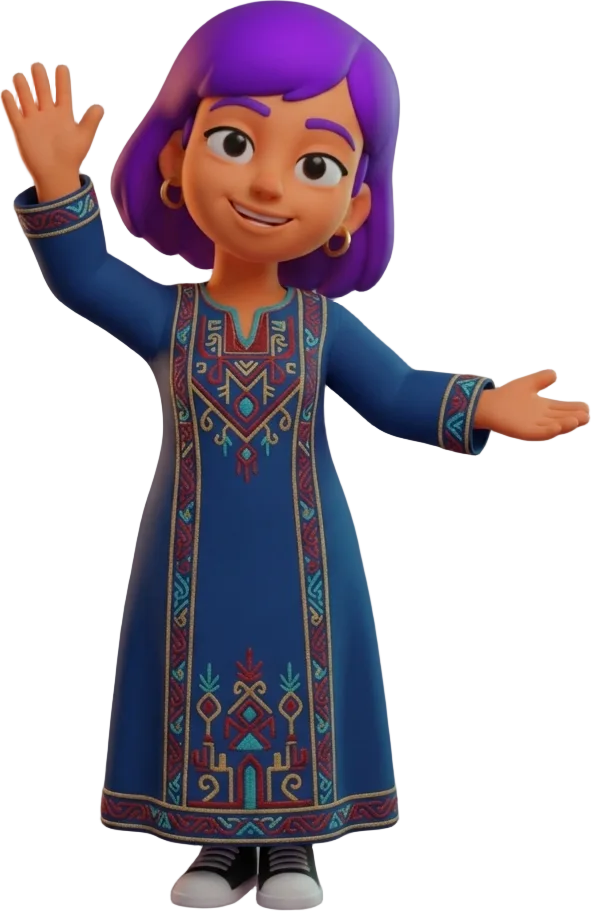
Leila in an embroidered dress, waving

Levantine

Syria, Lebanon, Jordan and Palestine.

What we teach: We teach a neutral city Levantine that works across Damascus, Beirut and Amman. Where the three differ, we follow Damascus.

You will be understood in all four countries. Small things change from city to city, and we point those out as they come up.

Samir in a kandura, greeting

Gulf

Saudi Arabia, and useful across the Gulf.

What we teach: We teach Najdi Arabic, the Arabic of Riyadh.

The Gulf is not one dialect. We picked the Riyadh variety and say so, instead of teaching a blend nobody actually speaks.

Amira in a toub, waving

Sudanese

Sudan.

What we teach: We teach educated city Arabic from Khartoum.

Very few apps teach Sudanese at all. It keeps some older sounds that other dialects have dropped.

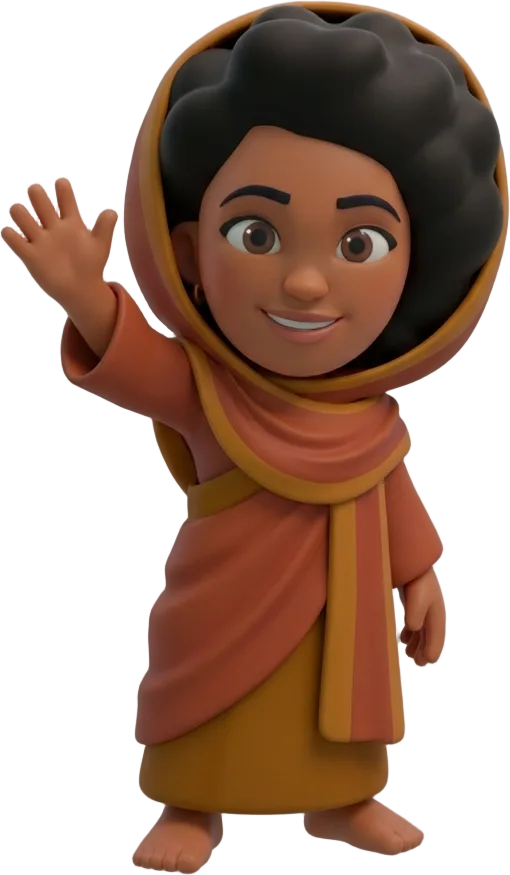
Yara with a patterned scarf, waving

Iraqi

Iraq.

What we teach: We teach everyday Baghdad Arabic.

Iraqi has its own sound: the letter ق often comes out as a hard g, so a word like qalb sounds closer to galb.

Juha in a djellaba, greeting

Moroccan Darija

Morocco.

What we teach: We teach city Darija from Casablanca and Rabat.

Darija drops a lot of short vowels, which is why it sounds fast at first. It also borrows words from Amazigh and French.

How we made these courses

Each dialect has its own written rules for spelling, sounds and word choice, and every lesson is checked against them. All the spoken Arabic in the app is synthesised speech, not a recording of a person. We explain the whole process, including where we use AI, on our editorial policy page.

Start with your Arabic

Seven varieties, one app. Try it free for 7 days.

Download on the App StoreGet it on Google Play